If you own a gas grill, patio heater, fire pit, camp stove or RV, sooner or later you face the same question: when the cylinder runs empty, should you swap it for a full one or have it refilled? Both are common, both are quick, and the best choice is not always the obvious one.
This guide compares propane tank refill vs exchange on cost, fill level, convenience and safety, so you can decide which suits how you use propane.
How each option works
Tank exchange. You hand over your empty cylinder and take a pre-filled one. It is fast and available at many retail locations, often with extended hours. You do not wait while the tank is filled.
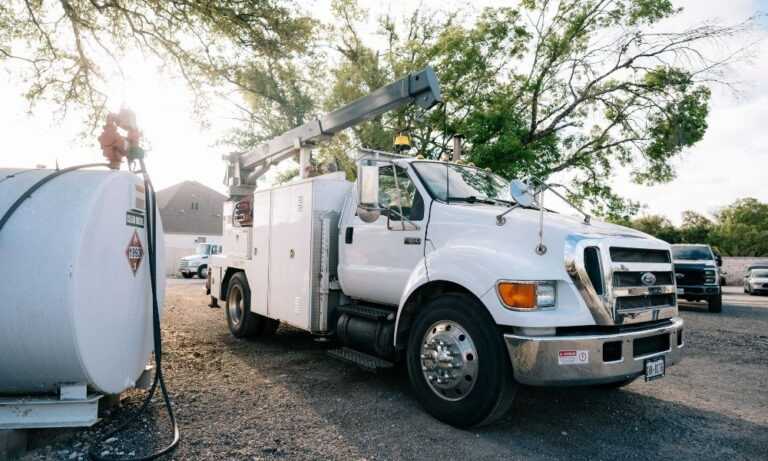
Tank refill. An attendant fills your own cylinder from a bulk tank, usually by weight or volume. You keep the same cylinder and pay for the propane you actually receive. Refills are available at propane dealers and filling stations. Propane Plus LLC runs propane filling stations for homes and businesses in Central Texas.
Fill level: the biggest difference
A standard grill cylinder is commonly sold as a 20 lb tank, but many exchange programs fill their cylinders to a lower amount than a full refill. In practice, you may receive less propane in an exchange cylinder than the label on your tank suggests, while a refill is filled to the safe maximum for your cylinder.
Why does this matter? If you pay a flat price per exchange tank, your actual cost per gallon may be higher than it looks. With a refill, you pay for the amount you receive, so you can compare cost per gallon directly. Ask any provider how much propane you get and how it is measured.
Cost
Costs vary by provider, season and location, so compare delivered value, not just sticker price.
- Exchange: a flat, convenient price per tank. The cost per gallon can be higher if the tank is not filled to the maximum.
- Refill: pricing is usually based on the amount of propane. If you use a lot, refilling often works out better over time.
The cheapest option is the one with the lowest cost per gallon for the amount you actually use. If you run a large grill, patio heaters or a camper often, a refill will likely save more.
Convenience
Exchange wins on speed and availability. You can stop at a store, swap tanks and leave in a minute. Refill takes a little longer, and you must go to a location that offers it, but you leave with your own cylinder full and ready.
Plan ahead. Running out in the middle of a cookout is frustrating, so many owners keep a spare cylinder. A spare lets you swap the empty one at your convenience.
Condition and certification of your cylinder
A refill location will inspect your cylinder before filling. Cylinders have a date stamp, and they must be requalified after a set number of years before they can be refilled again. If your cylinder is dented, rusted, leaking or out of date, a refill station may refuse it, and an exchange program will usually replace it with a cylinder in good condition.
That is one advantage of exchange for owners who are not sure about the age or condition of an old tank. Our guide on the warning signs a propane tank needs attention explains what to look for, though it is written for larger tanks.
Safety: transport and storage
Whichever option you choose, handle the cylinder with care.
- Keep the cylinder upright during transport, secured so it cannot tip or roll.
- Avoid leaving cylinders in a hot vehicle. Texas heat raises pressure inside the tank. Take the cylinder home directly and do not leave it in a car.
- Store outdoors in a ventilated area, never in a house, basement or enclosed garage, away from ignition sources.
- Check connections for leaks with soapy water after you reconnect. Bubbles indicate a leak.
- Do not overfill. Tanks need space for expansion, which is why professional filling follows strict limits. Do not try to fill a cylinder yourself.
- Know what to do if you smell gas. See our guide on what to do if you smell propane.
Which is better for your situation?
Choose exchange if:
- You want the fastest swap and extended hours
- Your cylinder is old or you are unsure of its condition
- You use propane occasionally and value convenience over cost per gallon
Choose refill if:
- You use propane often and want the best value per gallon
- You prefer to keep your own cylinder
- You want a full fill, measured honestly
Choose neither if:
- You are constantly swapping cylinders. If your grill, fire pit and heaters all run on propane, a permanent gas line fed by a tank may be easier and cheaper. Read our guide on planning propane gas lines for grills, fire pits and pool heaters.
For businesses and fleets
Restaurants, food trucks, contractors and event companies that use many cylinders usually save time and money with refill service or a bulk tank. See our commercial propane services for business owners or propane for restaurants.
FAQ
Is propane refill cheaper than exchange? Often, yes, per gallon, because you pay for the amount you actually receive. Exchange can be cheaper per trip but not per gallon.
Can I refill any propane cylinder? Not always. Cylinders must be in good condition and within their certification date. The station will inspect the tank.
How long does a 20 lb propane cylinder last? It depends on your appliance. A typical grill can run for many hours on a full cylinder, but heaters and high-output burners use it much faster.
Can I refill a cylinder at home? No. Filling requires trained personnel and the right equipment to avoid overfilling.
Find a propane refill location
Propane Plus LLC serves homes and businesses across Central Texas. Find a filling station or call (512) 259-7587.