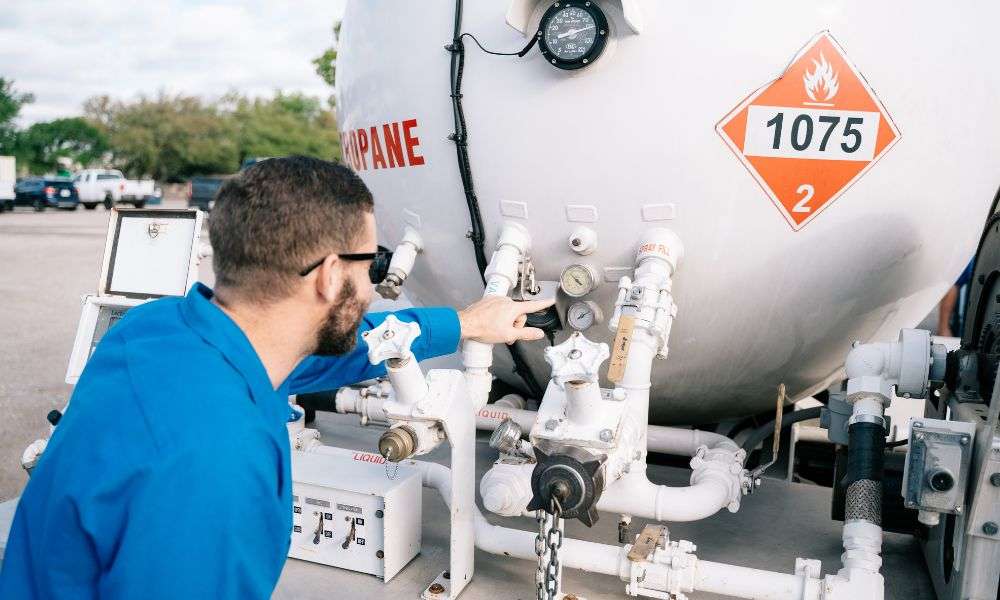
A restaurant runs on heat. Fryers, ranges, ovens, water heaters, patio heaters and grills all need a reliable fuel, and a supply problem during a dinner rush costs money immediately. For many restaurants, cafes, food halls and catering kitchens across Central Texas, especially those outside natural gas service areas, propane is the fuel that keeps the kitchen running.
This guide explains how restaurants use propane, how to size and plan a system, what to ask a supplier and which safety steps matter most.
Why restaurants choose propane
Reach. Natural gas lines do not serve every location. Restaurants in rural and growing suburban areas outside the pipeline network often rely on propane because it can be delivered to a tank on site.
Cooking performance. Gas cooking responds instantly, and chefs often prefer it for control. Propane burns hot, so it suits searing, frying, wok cooking and high-volume line work.
Flexibility. A propane tank lets you place equipment where it serves the kitchen rather than where a utility line happens to end. That helps with food trucks, outdoor patios, event spaces and new buildouts.
Resilience. Because propane is stored on site, a kitchen with the right equipment can keep cooking when a grid or utility problem occurs. That matters in a region that has seen severe weather and outages.
Where restaurants use propane
- Cooking equipment: ranges, griddles, fryers, ovens, charbroilers and steam equipment
- Water heating: tank and tankless heaters for dish machines, sinks and sanitizing
- Space heating: dining room heat in cooler months
- Patio and outdoor heating: patio heaters, fire features and outdoor grills
- Backup power: standby generators that keep refrigeration and lighting running during outages. See our posts on why more Central Texas homeowners choose propane generators and how propane backup generators protect homes during outages. The same logic applies to a commercial kitchen.
How to size a propane system for a kitchen
A commercial kitchen’s demand is very different from a home’s. To size a system you need:
- A list of every appliance and its BTU rating, plus any equipment you plan to add.
- How hard the equipment runs. A fryer that runs all day uses far more than a warming unit.
- Peak demand. Rush hours and busy weekends set the load that your piping and regulators must handle.
- Seasonal swings. Space heating and water heating raise winter demand.
- Tank size and placement. The right tank gives you enough storage between deliveries and fits your site’s setback requirements.
Our guide on what size propane tank you need for your home explains how tank sizing works. A commercial kitchen follows the same logic with larger loads, so a professional load calculation is essential. Your supplier should do this with you before installation, not after.
Planning delivery so you never run out
Running out of fuel in the middle of service is the biggest operational risk. A few habits prevent it:
- Use scheduled route delivery rather than waiting until the gauge is low. Our post on how often to schedule propane delivery explains will-call vs route service.
- Track usage by season. Usage changes with holidays, events and weather.
- Keep a buffer. Many operators plan refills before the tank falls to a low level so a delayed delivery does not become a shutdown.
- Tell your supplier about changes. New equipment, longer hours or a patio expansion will change your consumption.
- Know the emergency line. Propane Plus LLC offers 24/7 support at (512) 259-7587.
For ongoing bulk supply, see our commercial propane services for business owners.
Safety basics for restaurant propane
Propane is safe when it is installed and maintained correctly. Restaurants carry added responsibility because staff, customers and neighbors are all nearby.
- Licensed, code-compliant installation. Tank placement, regulators, piping and shutoffs must meet code and the requirements of your local authority.
- Regular inspections. Have tanks, lines, regulators and connections checked on a schedule. Our 7 warning signs your propane tank needs immediate attention applies to commercial tanks too.
- Staff training. Everyone should know the smell of propane, where the shutoff valve is and who to call. Our guide on what to do if you smell propane is a good starting point for a staff briefing.
- Leak detection. Consider propane gas detectors in kitchens, mechanical rooms and low spots where propane can settle, since it is heavier than air.
- Keep ignition sources and combustibles away from tanks and fittings.
- Protect the tank. Sun, moisture and a tank in poor condition can lead to rust. See how propane tank painting protects your investment.
If you smell gas, leave the building, avoid switches and flames, and call from a safe distance.
Propane vs electric and natural gas
Propane vs electric: Electric equipment avoids combustion, but many chefs prefer gas for cooking control, and electric service upgrades for a high-load kitchen can be costly. Propane also keeps cooking possible during an outage when paired with the right equipment.
Propane vs natural gas: If natural gas is available at your address, it may be a simple choice. If it is not, propane gives you comparable cooking performance without waiting on a pipeline. Fuel prices change, so ask suppliers for current pricing and compare on a delivered cost basis.
What to ask a propane supplier
- Do you handle load calculation, installation and delivery, or just fuel?
- How do you schedule deliveries, and how quickly can you respond to an emergency?
- Who owns the tank, and what are the terms?
- What inspection and maintenance services do you offer?
- Can you support generators, patio heaters and future expansion?
- How do you handle pricing and notice of changes?
FAQ
Can a restaurant use propane for everything? In many cases, yes: cooking, hot water, heating and backup power. Your equipment list determines what is practical.
How often does a restaurant need propane delivery? It depends on tank size, equipment and hours. A supplier can set a route schedule based on your usage.
Do I need a permit for a commercial propane tank? Usually yes. Requirements depend on the tank size and your location, so confirm with the local authority and your supplier.
Talk to a commercial propane team
Propane Plus LLC supplies and installs propane for businesses across Central Texas, including Round Rock, Georgetown, Cedar Park, Leander and Austin. Call (512) 259-7587 for a free estimate or request service online.