
Comprehensive Propane Safety Services for Maximum Safety
Propane is a widely used fuel for residential and commercial applications, including heating systems, cooking appliances, water heaters, and backup generators. While propane is efficient, cost-effective, and generally safe, improper handling can lead to serious risks such as gas leaks, fires, or carbon monoxide exposure.
Understanding propane safety is essential for homeowners and businesses to ensure safe usage, prevent accidents, and protect property and lives. This guide covers everything you need to know about propane safety, from identifying risks to following best practices.
Request Estimate
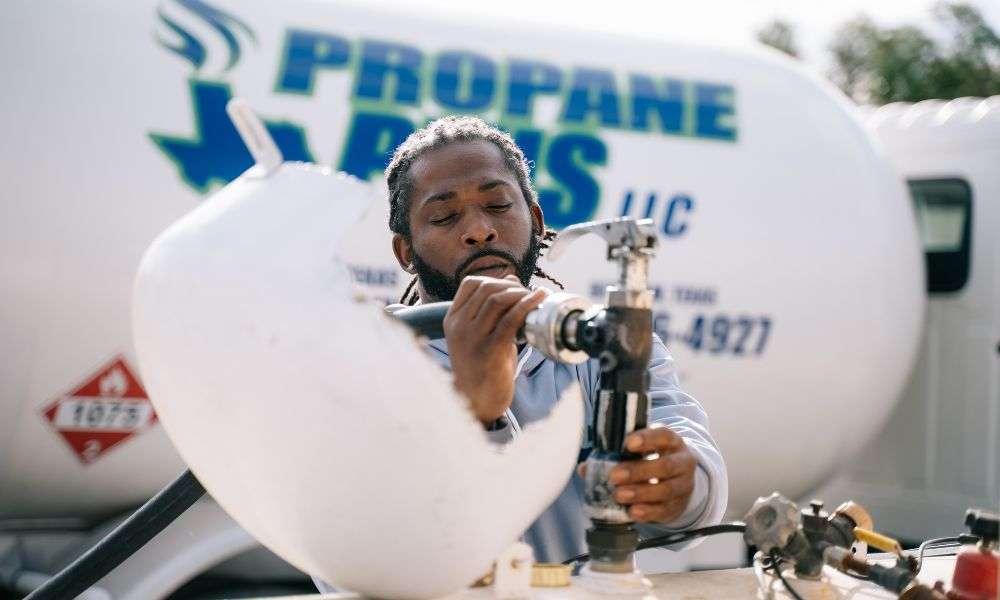
Built for Maximum Safety, Reliability & Continuous Protection
Propane safety demands more than basic precautions — it requires consistent monitoring, expert handling, and zero tolerance for risk.
At Propane Plus LLC, we provide propane safety services designed to protect your home or business through proactive inspections, advanced safety measures, and reliable system care. Whether you are managing daily operations or ensuring residential safety, our approach is built for prevention, compliance, and long-term peace of mind.
Get a propane safety solution tailored to your specific needs
Common Propane Safety Risks You Should Know
Gas Leaks
Gas leaks are one of the most common propane-related risks. They can occur due to damaged hoses, loose connections, aging equipment, or improper installation. Even a small leak can become dangerous if not addressed quickly.
Fire Hazards
Propane is highly flammable, which means improper storage, exposure to heat sources, or using faulty equipment can increase the risk of fire. Open flames near propane tanks should always be avoided.
Carbon Monoxide Exposure
When propane appliances are not properly ventilated, they can produce carbon monoxide, a colorless and odorless gas that can be harmful or even fatal when inhaled in large amounts.
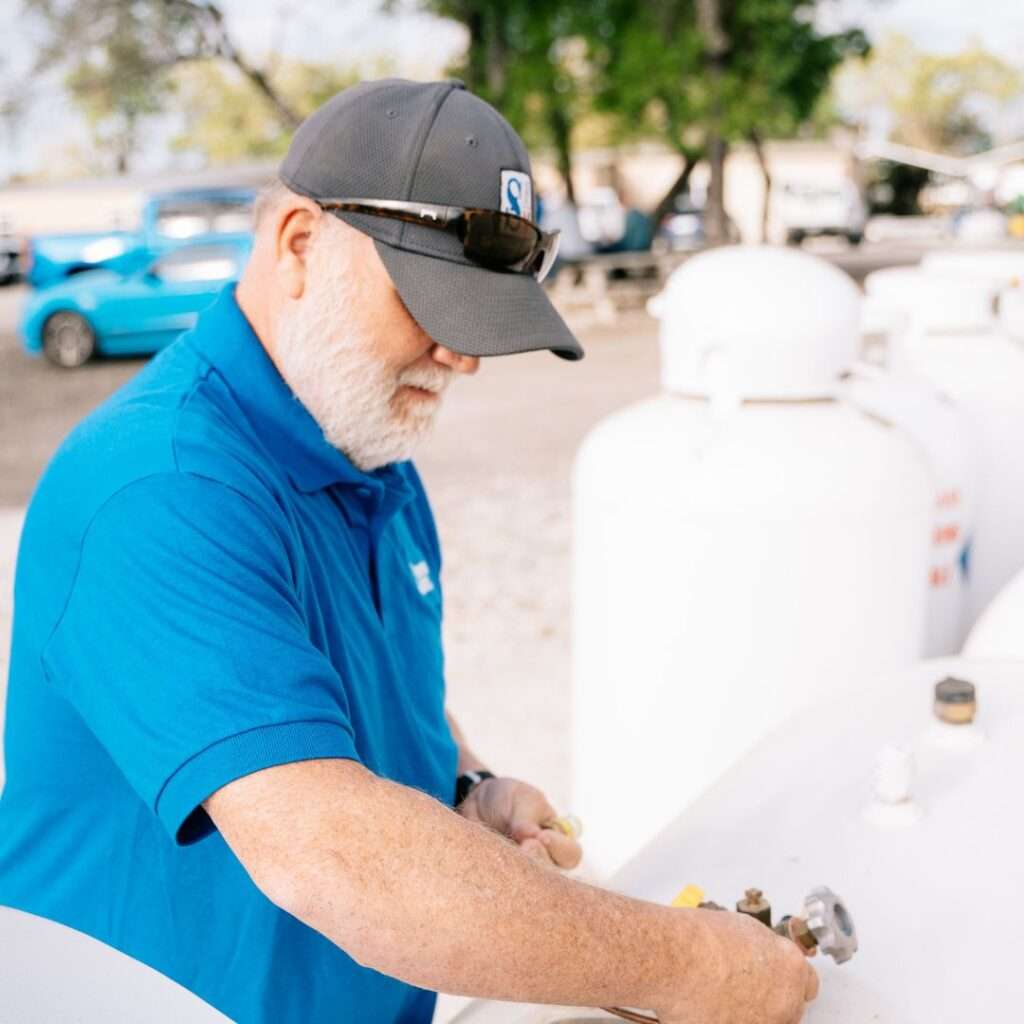
Top Propane Safety Tips for Homeowners
Following basic safety practices can significantly reduce risks and ensure safe propane usage:
- Inspect propane tanks and connections regularly for signs of wear or damage
- Always store propane tanks outdoors in a well-ventilated, secure area
- Keep propane tanks away from heat sources, flames, and direct sunlight exposure
- Never use damaged hoses, regulators, or propane-powered appliances
- Install carbon monoxide detectors in key areas throughout your home
- Ensure all propane appliances are installed and serviced by qualified professionals
- Keep flammable materials away from propane equipment and storage areas
Propane Tank Safety Guidelines
Proper handling and storage of propane tanks are essential for safety and performance.
- Always store tanks in an upright position on a stable surface
- Keep tanks outdoors and away from enclosed or poorly ventilated spaces
- Maintain a safe distance between propane tanks and buildings or ignition sources
- Avoid overfilling tanks to prevent pressure-related issues
- Protect tanks from physical damage, rust, or corrosion
- Never attempt to repair or modify a propane tank yourself
By following these guidelines, you can reduce risks and extend the lifespan of your propane system.
How to Detect a Propane Leak
Recognizing a propane leak early can prevent dangerous situations. Propane has a strong odor added to it, often compared to rotten eggs, to help with detection.
- Common signs of a propane leak include:
- A strong, unusual rotten egg smell
- A hissing or whistling sound near the tank or gas lines
- Visible white mist or frost forming on the tank or connections
- Dead vegetation around the propane tank area
What To Do If You Suspect a Leak If you believe there is a propane leak, take immediate action:
|
Indoor vs Outdoor Propane Safety
Indoor Safety Tips
Using propane indoors requires proper precautions to maintain safety:
- Ensure proper ventilation in areas where propane appliances are used
- Regularly maintain and inspect indoor propane appliances
- Install carbon monoxide detectors near sleeping and living areas
- Never use outdoor propane equipment inside enclosed spaces
Outdoor Safety Tips
Outdoor propane usage also requires careful handling:
- Position propane tanks on a flat, stable surface away from foot traffic
- Keep grills and outdoor appliances at a safe distance from buildings
- Never store spare tanks indoors or in garages
- Protect tanks from extreme weather conditions and direct sunlight
Propane Safety for Businesses
Businesses that rely on propane must follow strict safety measures to protect employees and customers.
- Schedule routine inspections of propane systems and equipment
- Train employees on propane safety procedures and emergency response
- Ensure compliance with local safety regulations and codes
- Maintain clear emergency plans for leaks or fire incidents
- Use professional services for installation, maintenance, and repairs
How to Detect a Propane Leak
Winter Safety
1.Check heating systems before heavy usage
2. Ensure vents and exhaust systems are not blocked by snow
3.Monitor propane levels to avoid unexpected shortages
Summer Safety
1.Store tanks in shaded areas to prevent overheating
2.Inspect outdoor propane equipment before frequent use
Storm and Emergency Preparedness
1.Secure propane tanks to prevent movement or damage
2.Shut off valves during severe weather if necessary
3.Inspect systems after storms for any visible damage
When to Call a Professional
While basic maintenance can be done independently, certain situations require professional assistance:
- Persistent propane smell that does not go away
- Malfunctioning appliances or irregular flame behavior
- Visible damage to propane tanks, valves, or gas lines
- Installation of new propane systems or major repairs
Professional technicians have the tools and expertise to safely handle propane-related issues.
Frequently Asked Questions
The most important propane safety rules include regularly inspecting your system, storing tanks in well-ventilated outdoor areas, keeping propane away from heat sources, and ensuring all appliances are properly maintained. It is also important to install carbon monoxide detectors and never ignore signs of a potential leak.
You can identify a propane leak by a strong rotten egg smell, a hissing sound near the tank or gas lines, or visible signs like white mist or frost forming around connections. If you notice any of these signs, leave the area immediately and contact a professional.
Propane tanks should never be stored indoors or in enclosed spaces such as garages or basements. They must always be kept outdoors in a well-ventilated area, positioned upright, and away from heat sources to reduce the risk of gas buildup and fire hazards.
If you smell propane, leave the area immediately without turning on lights or using electrical devices. Shut off the gas supply only if it is safe to do so, and contact a propane professional or emergency service. Do not return until the area has been inspected and cleared.
Propane systems should be visually inspected on a regular basis, with a professional inspection recommended at least once a year. More frequent checks may be necessary if the system is used heavily or shows signs of wear.
Yes, propane appliances can be used indoors if they are specifically designed for indoor use and properly installed. Adequate ventilation and regular maintenance are essential to prevent carbon monoxide buildup and ensure safe operation.
Propane tank explosions are rare and usually occur due to extreme heat exposure, physical damage, overfilling, or lack of proper maintenance. Following safety guidelines and regular inspections greatly reduces the risk of such incidents.
Proper ventilation ensures that any gases produced during propane combustion are safely dispersed. Without ventilation, harmful gases like carbon monoxide can accumulate, posing serious health risks.
During extreme weather, secure propane tanks to prevent movement, keep them clear of debris, and inspect them for damage after storms. In winter, ensure vents are not blocked by snow, and in summer, avoid direct sunlight exposure for extended periods.
You should call a professional if you detect a persistent gas smell, notice damaged equipment, experience appliance malfunctions, or need installation or repairs. Professional assistance ensures the issue is handled safely and correctly.